




























Articles: Project-Based Learning
If we believe our students have potential beyond measure, we must ask them to produce work for authentic audiences. Not ‘when they grow up,’ but now.
Encouraging effective student inquiry prepares them for future exploration, critical thinking, engagement, and forming conclusions for a deeper understanding of their world.
Actively working on a “real world” problem through hands-on projects motivates students by asking them to work toward an outcome that matters to them.
The Create a Cover Contest offers low performing readers the opportunity to creatively express their understanding of a required reading.
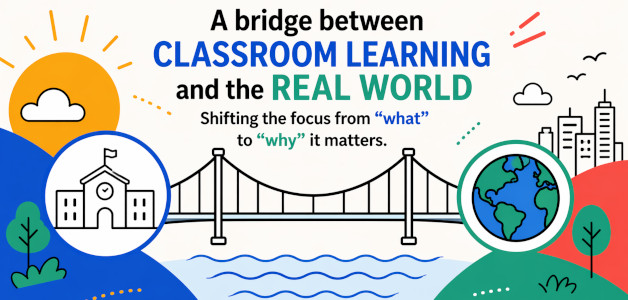
Experts provide us a way to demonstrate the connections between what students learn and the world that is outside of the classroom.
The best way to construct knowledge is to create a sharable learning artifact.
Effective project design includes clear learning goals and essential questions that project work will help students answer.
Authentic tasks provide another strategy to engage students, meet learning goals, and measure student understanding./p>
Working collaboratively during project work prepares students for modern citizenship and work, building essential 21st century skills.
Facilitating a project rather than merely dispensing knowledge help students approach new ideas, information, and problems.
Special needs students flourish in project-based learning which provides a variety of learning modalities for students to show their understanding.
A project-based approach to technology staff development improves teaching and learning by modeling effective strategies.